Vagus Nerve Exercises for Stress
Discover simple vagus nerve exercises for stress that may help support relaxation, emotional balance, and nervous system regulation.
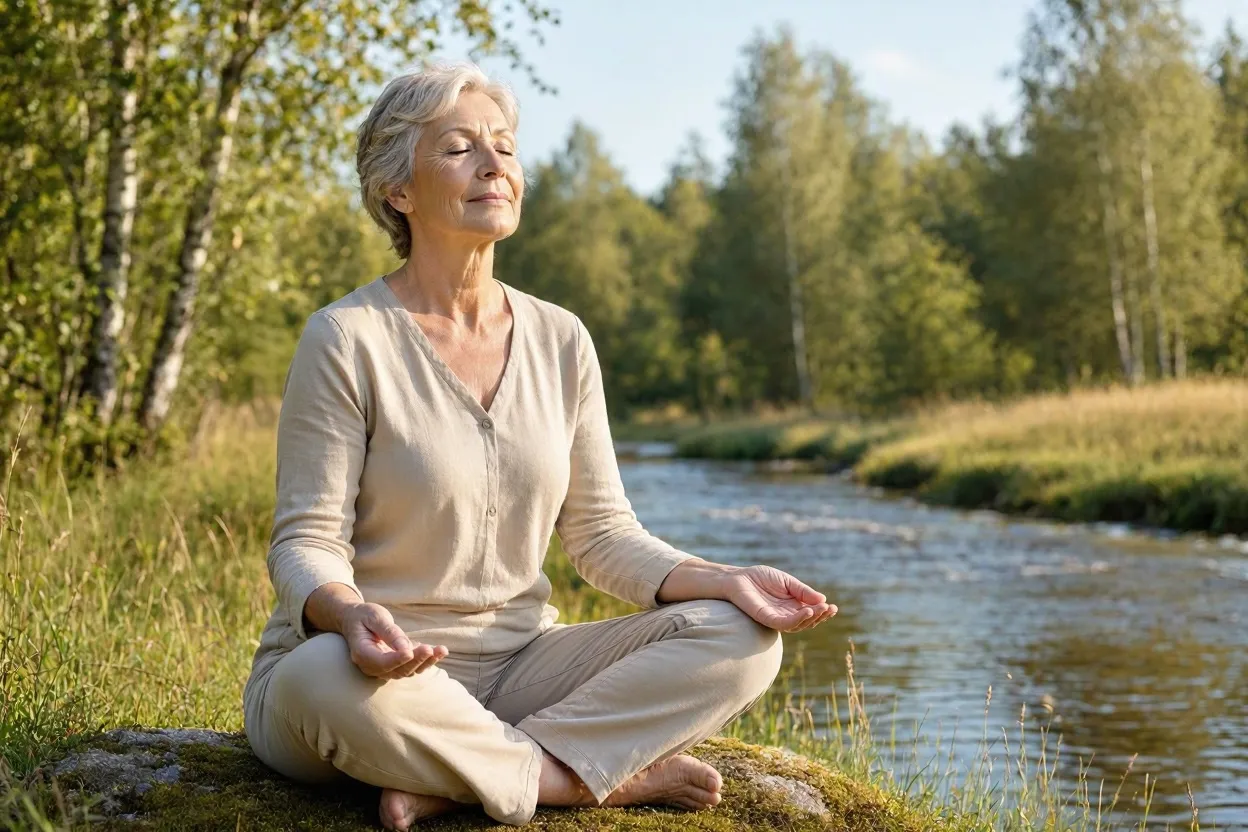
Vagus Nerve Exercises for Stress
Stress is a normal part of life. However, when stress becomes constant, it can affect both physical and emotional well-being.
Many people are now interested in vagus nerve exercises for stress because they are simple, accessible, and easy to practice at home. These techniques are designed to promote relaxation and support a more balanced response to everyday challenges.
While they are not a cure for anxiety or stress-related conditions, many people find them helpful as part of a broader wellness routine.
What Is Vagus Nerve Stimulation?
The vagus nerve is one of the longest nerves in the body. It helps connect the brain with several important organs, including the heart, lungs, and digestive system.
Because of its role in relaxation and recovery, many wellness practices focus on vagus nerve stimulation.
The goal is to support the body’s ability to move from a stress response toward a calmer state.
Several simple activities may encourage this process.
Slow Breathing
Slow, controlled breathing is among the most popular techniques.
Try:
Inhale through the nose for four seconds Pause briefly Exhale slowly for six seconds
This practice may help promote feelings of calm.
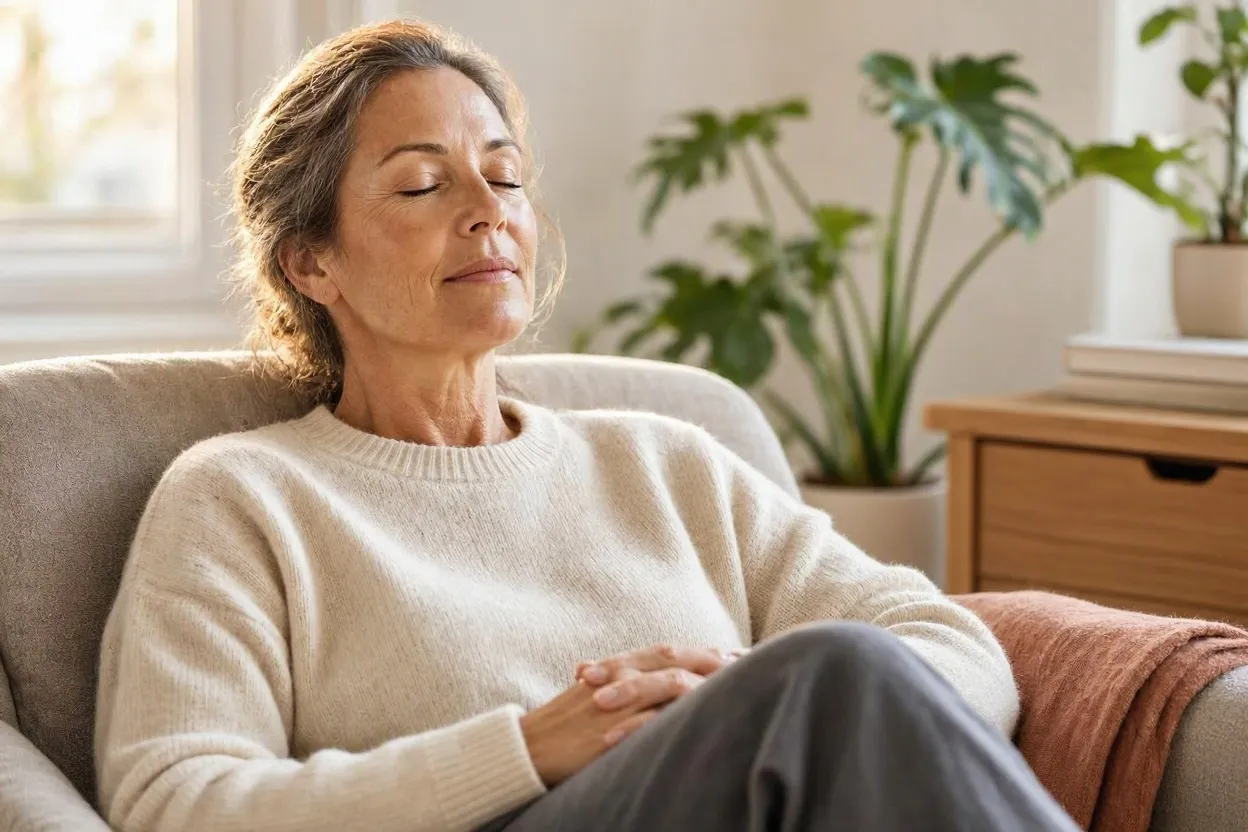
Try also deep breathing for anxiety relief.
Humming
Humming creates gentle vibrations that some people find soothing and relaxing.
Many people use this exercise during quiet moments or meditation sessions.
Gentle Cold Water Exposure
Some individuals enjoy finishing a shower with cool water for a brief period.
Others simply splash cool water on their face.
The goal is comfort, not extreme cold exposure.
Stress Relief Exercises for Daily Life
In addition to vagus-focused practices, many traditional stress relief exercises support relaxation and resilience.
Walking
Walking is one of the easiest ways to manage daily stress.
Regular movement supports both physical and emotional health.
Gentle Stretching
Stretching helps release tension that may build up during stressful periods.
A short stretching routine can be especially useful after long hours of sitting.
Mindfulness Practice
Mindfulness encourages attention to the present moment.
This can reduce the tendency to focus on worries and future uncertainties.
Meditation
Even a few minutes of quiet reflection each day may help create a greater sense of calm.
If nervous system regulation is an area you’d like to explore further, visit nervous system regulation techniques.
Creating a Daily Relaxation Routine
Consistency often matters more than intensity.
Instead of waiting until stress feels overwhelming, consider building small relaxation habits into your day.
Examples include:
Five minutes of slow breathing A short daily walk Regular stretching Quiet time without screens
These simple habits can add up over time.
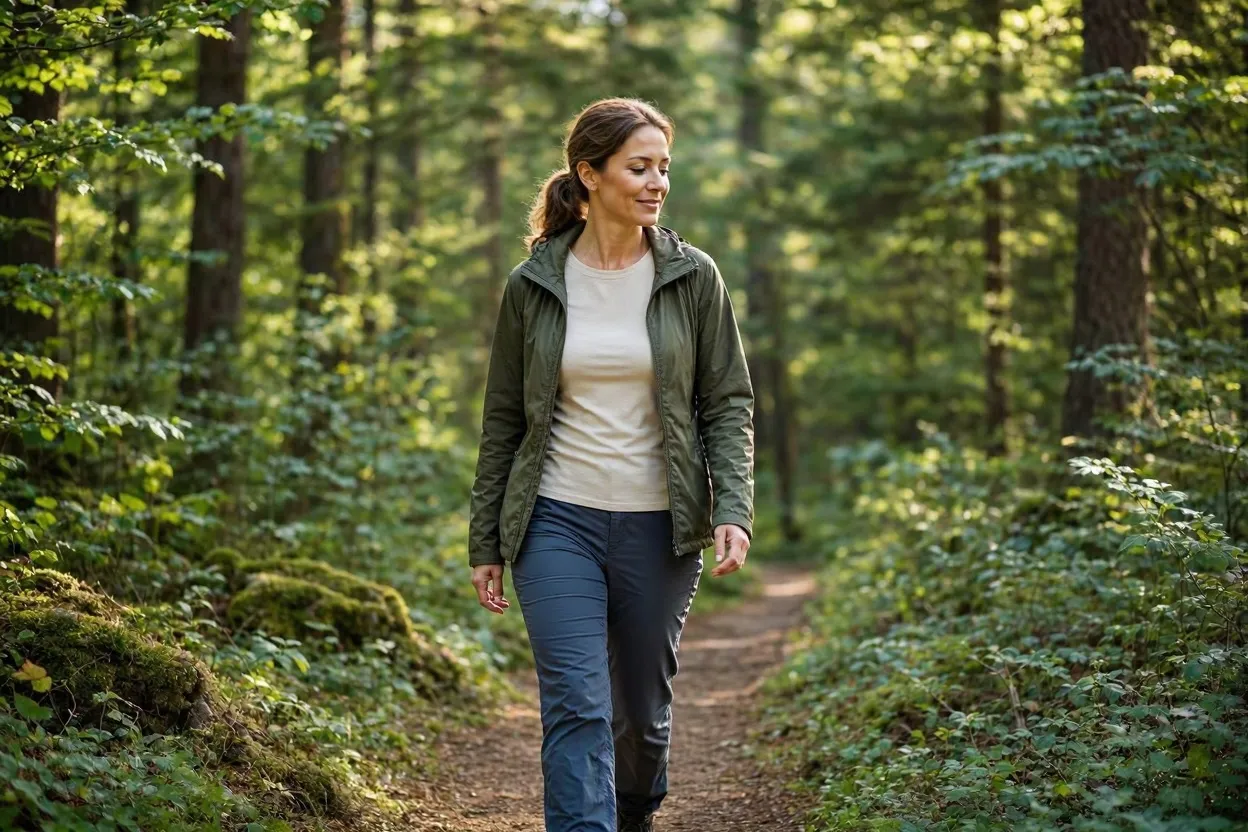
Many people also benefit from recognizing the signs of chronic stress early. Learn the signs of a dysregulated nervous system explains common warning signs to watch for.
Final Thoughts
Vagus nerve exercises for stress can be a useful addition to a healthy self-care routine. Techniques such as slow breathing, gentle vagus nerve stimulation practices, and other stress relief exercises may help support relaxation and emotional balance.
The key is consistency. Small daily habits often create meaningful benefits over time.
For more stress-management tips and emotional wellness resources, visit the Mental & Emotional Wellness Pillar.
Disclaimer: The content on this website is for informational and educational purposes only and should not be considered medical advice. Always consult a qualified healthcare professional regarding any health concerns or before making significant lifestyle, dietary, or exercise changes.