Blood Sugar Swings
🩺 Symptoms of Blood Sugar Swings Recognizing the symptoms of blood sugar swings is the first step toward better control. These symptoms often appear suddenly and may feel confusing if you’re not expecting them.
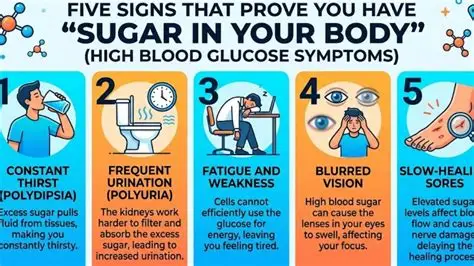
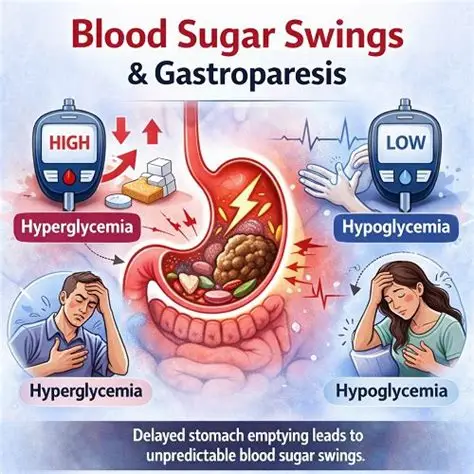
Common symptoms include shakiness, sweating, and sudden hunger. These signs often show up when blood sugar drops too low. High blood sugar can cause fatigue, blurry vision, and trouble focusing. You may also feel thirsty or need to urinate more often. Mood changes are also common. Fast swings can make you feel irritable or anxious.
These symptoms can be mild or strong, depending on how quickly blood sugar shifts.
🍽️ Causes of Blood Sugar Swings Understanding the causes of blood sugar swings can help you prevent them. Many everyday habits influence how your body handles sugar.
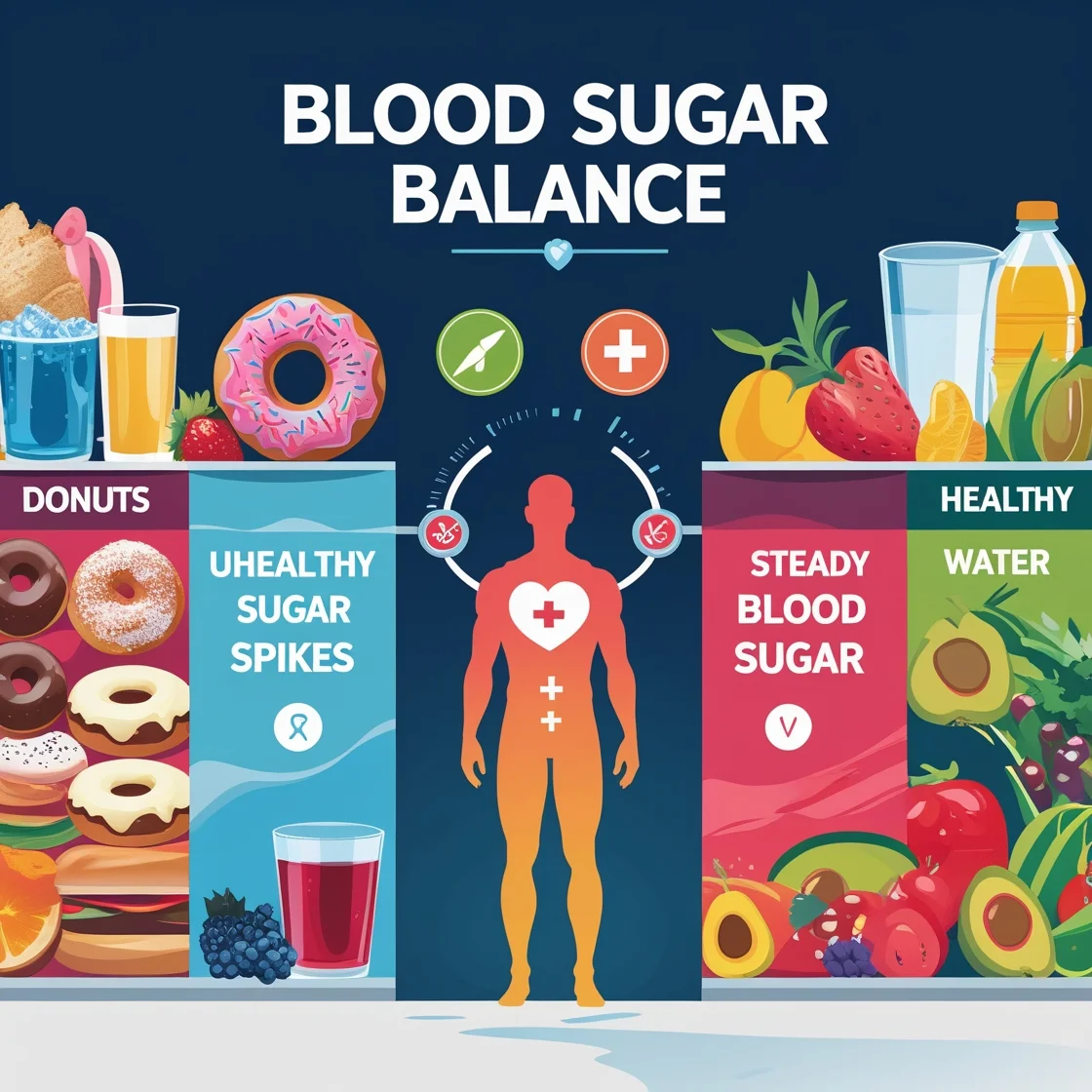
Eating meals high in refined carbs or sugar can cause fast spikes. These foods break down quickly, sending glucose into the bloodstream all at once. Skipping meals or eating too little can cause sudden drops. Your body needs steady fuel to keep blood sugar stable. Stress also plays a role. When you’re stressed, your body releases hormones that raise blood sugar. Poor sleep can make your body less sensitive to insulin, which leads to bigger swings throughout the day.
Small changes in routine can make a big difference in how your body responds.
🌿 How to Manage Blood Sugar Swings Managing blood sugar swings doesn’t have to be complicated. A few simple habits can help keep levels steady.
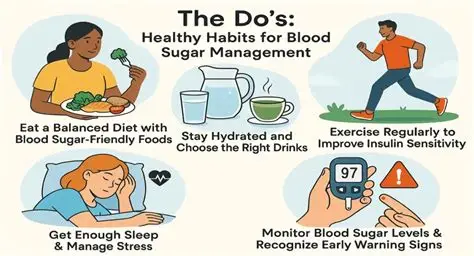
Choose meals with protein, fiber, and healthy fats. These nutrients slow digestion and help prevent sharp spikes. Stay active. Even a short walk can help your body use glucose more effectively. Drink water throughout the day. Dehydration can make swings worse. Try to keep a regular eating schedule. Your body likes consistency.
These steps are gentle, practical, and easy to fit into daily life.
🌼 Conclusion Blood sugar swings can affect how you feel from hour to hour. By understanding the symptoms and causes, you can take small steps toward steadier energy and better health. Balanced meals, movement, and stress management all help support smoother blood sugar patterns.
Medical Disclaimer: This article is for informational purposes only and is not a substitute for professional medical advice.